
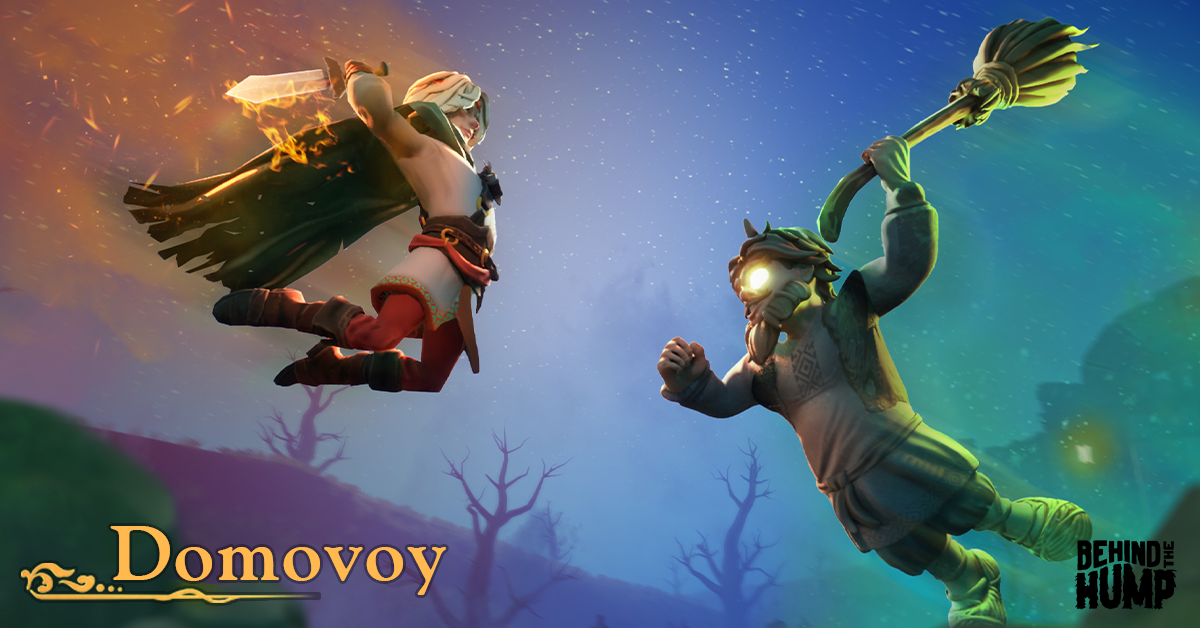
Origins of a slavic Spirit
The Domovoy (Домовой)…(also spelled Domovoi, Domovoj, and known in Polish as: Domowik, Serbian as: Домовик(Domovik), Ukrainian as: Домовик(Domovyk), and Belarusian as: Дамавік (Damavik))… is the household spirit of a given kin is a benevolent, protective spirit in Slavic folklore, often regarded as the guardian of the household and family. It’s a central figure in pre-Christian traditions and is a form of ancestor worship. The name is a literal and direct reflection of its role.
Etymology and Origin
The title comes from the Slavic root Dom (дом), meaning “house” or “household.” The term literally translates to “he of the house” or “the one who belongs to the household.” Belief in such a guardian likely stems from early animistic and ancestral practices, where the spirits of deceased relatives were thought to remain in the dwelling to protect their descendants.
Appearance and Manifestation
This old guardian is rarely seen, as it usually remains invisible. When it does reveal itself, it may appear as a small, hairy elder, sometimes with fur on its hands and feet, which was considered a sign of family prosperity. In other accounts, it takes the form of a departed ancestor in miniature or even shapeshifts into household animals such as cats or dogs.
Behavior and Offerings
The spirit of the home behaves according to the family’s own conduct. When treated with respect, it becomes a benevolent protector, aiding in chores and caring for livestock. But when dishonored, through disorder, disrespect, or foul language, it turns restless, making noises, moving objects, or causing mischief to restore order. To keep peace, traditions prescribed leaving offerings of bread or milk near the stove.
Contrast with the Kikimora
The Domovoy’s protective nature is often contrasted with the Kikimora, another Slavic household spirit. While the Domovoy embodies order and prosperity, the Kikimora represents chaos and mischief. This duality served as a moral lesson, teaching that a well-maintained home would be blessed with a protective Domovoy, while a neglected one might fall prey to the Kikimora.
Sources and Attestation
For further information on the beliefs surrounding the Domovoy, there are well-documented scholarly works on Slavic mythology and folklore.
These are a few…
For deeper insight into this Slavic protector, scholars have documented its role extensively:
- W. F. Ryan, The Bathhouse at Midnight: An Historical Survey of Magic and Ritual in Russia (1999) — covers magical practices and the spiritual protectors of domestic life.
- Linda J. Ivanits, Russian Folk Belief: A Reader (1989) — explores Russian folklore with a detailed chapter on the household guardian.
- V. Y. Propp, The Morphology of the Folktale (1968) — while focused on narrative structure, also references figures of home and hearth.
Forgotten Eras Lore: The Domovoy ‘s Curse
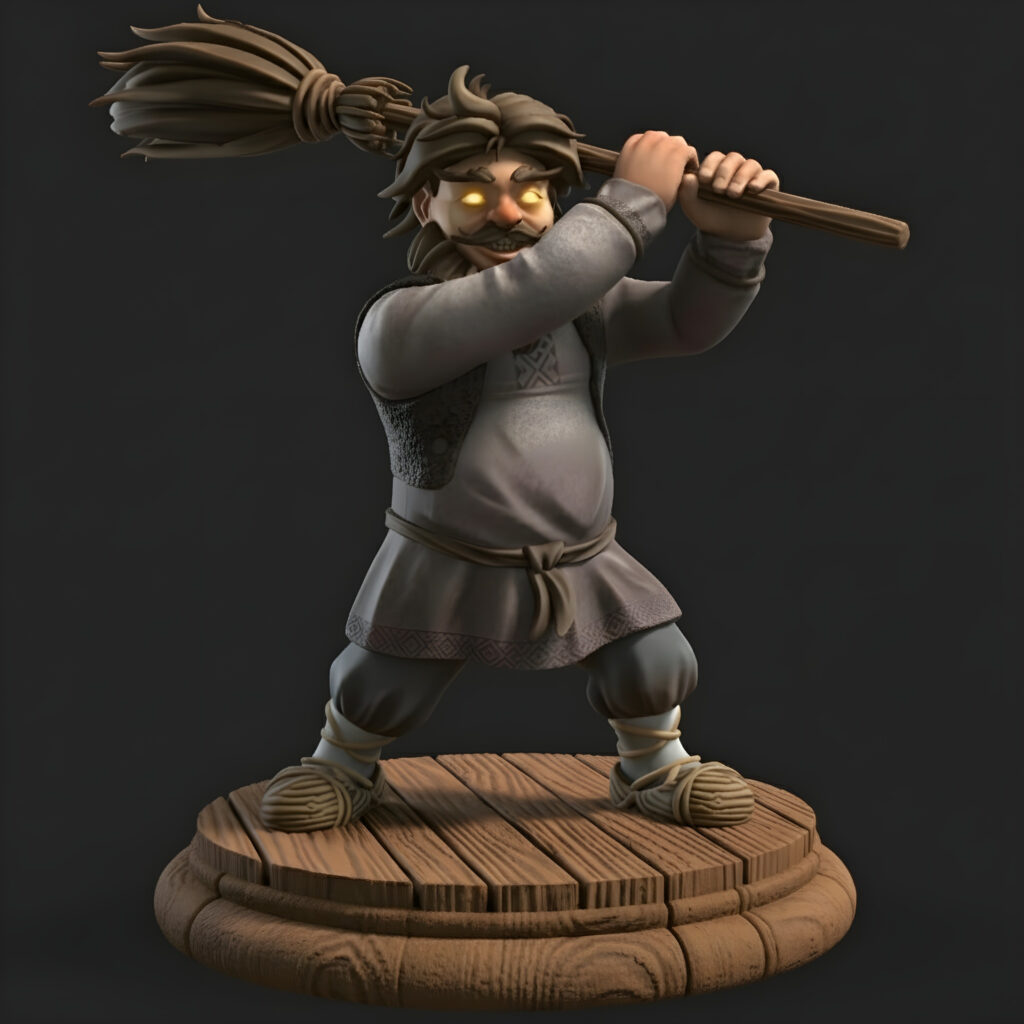
“He once guarded the hearth. Now, the fire obeys no master.”
In Forgotten Eras, the first boss on the Demo is not just a whisper in the rafters — he is a tragic figure, corrupted by broken runes and fractured rituals. Once bound to the homes of mortals, he wandered endlessly when the Book of Forgotten Magic was shattered. Without a hearth to guard, his grief turned to rage, and the warmth of his care became a smoldering curse.
- In-Game Role: This spirit appears as the first major boss encounter of the Forest in the Demo Version. His movements are erratic, his attacks twisting the environment.
- Backstory in Forgotten Eras: He remembers every family that failed him, every offering forgotten. His dialogue echoes like an ancestor betrayed: “Bread turned to ash… milk soured… yet you call me protector?”
- Connection to Ivan & the Grey Wolf: Ivan can sense the Domovoy’s torment through the rune of Veles. Choices in battle and dialogue determine if Ivan frees the Domovoy’s spirit — restoring him to his rightful place as guardian — or leaves him cursed, deepening the Forest’s corruption.
Thus, in Forgotten Eras, this character becomes both a symbol of nostalgia and punishment: a reminder of heritage, but also a warning of what happens when tradition is abandoned.
Stay connected for more Lore of the Forgotten Eras